

Sell Your House Fast in Hamilton County, OH - We Buy Houses Near You for Cash
Need to sell your Hamilton County house fast?
We buy houses in Hamilton County in any condition — no repairs, no agents, no waiting.
Tell us about your property and we'll make a fair, no-obligation cash offer within 24 hours. Close in as little as 7 to 14 days on your schedule.
Call us at (323) 622-6021 or fill out the form to get started.
SELL YOUR HOME IN 3 SIMPLE STEPS
Dozens of people just like you already have!

1. Contact Us By Filling The Form
Provide us with some basic info by filling out the form below. Once we receive your information, we figure out how much we can offer for your house and will contact you within 24 hours.

2. Receive Your Cash Offer
Whether you'd like to meet in person or just speak on the phone, we’ll give you our best, free no-obligation cash offer in writing or just verbally.

3. Pick A Closing Date
If you accept our offer, we can close in as little as 7 days! But if you need more time, we will work closely with you to make sure closing happens on your timeline.
YES, It's That Simple
WE WANT TO HELP!
Life is hard enough without having to worry about trying to sell your home. We'll do everything possible to make selling your home as convenient and stress-free as possible

FOR ANY SITUATION
Foreclosures
Divorce
Financial Struggles
Relocation

IN ANY CONDITION
Structural Damage
Unfinished Interiors
Hoarder Home
Major Repairs Needed
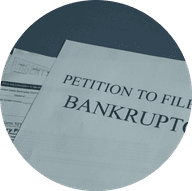
WITH ANY STRUGGLES
Code Violations
Low Equity
Bad Tenants
Late Mortgage Payments
5 Reasons To Work With Us:

NO REPAIRS
We'll gladly buy your home "as-is," in any condition.

WE DO ALL THE WORK
From paperwork to legal complexities, we've got it all covered

NO FEES
You won't pay fees or commissions of any kind.

CLOSE FAST
Close on your schedule and get cash in as little as a week.

LOCAL TITLE COMPANY
We close through a reputable title company in your market.
Selling Your House To Us = No Pressure or Stress
Want to sell your house fast in Hamilton County but worried about dealing with a complicated process? We are reliable cash buyers who stick to our offers and make selling easy. Whether you are just curious about what a serious cash offer for your house looks like or if you are ready to sell, the offer is free and you are under no obligation to take it.
Sell My House In Hamilton County Fast With Confidence!
Fill Out This Form To Get Your No-Obligation All Cash Offer Started!
Need to get in touch?
Hamilton County Service Area
Need to Sell House Quickly? We Buy Hamilton County Houses Fast


Questions About Selling in Hamilton County
Which address should I use for a Hamilton County offer request?
Use the property's complete street address and include a parcel number if you have it. The Auditor's office lists its own Cincinnati address in ZIP 45202; that office address is a records contact, not the address of the house you want to sell.
Where can I find the parcel before contacting a buyer?
The Hamilton County Auditor provides owner, street-address and parcel-ID searches. Locate the matching property and keep the identifier with your documents so the offer review concerns the correct parcel.
What if a document mentions an easement I do not understand?
The Auditor's FAQ directs easement questions to the Hamilton County Recorder, where recorded instruments can be located. Give the document reference to your title professional or attorney and ask what it means for your proposed sale.
Can I discuss an offer before clearing every room?
Yes. Describe what remains in the house and what you want to keep. Ask that any agreement about contents, removal and access be recorded in the purchase terms.
How should I compare the cash price with my expected proceeds?
Ask the closing professional to identify the payoffs and charges relevant to your agreement. Keep estimated figures labeled and compare the resulting seller proceeds, not only the purchase price.
Who should review an unresolved ownership question?
Explain the situation to your attorney or closing professional before committing to sell. Ask which documents establish authority and which parties must participate; an inquiry does not resolve that question.
Start with the house and the result you need
Selling a house in Hamilton County begins with a practical question: what would make a sale useful for you? You may want to stop coordinating repairs, finish a move, settle responsibilities among owners, or compare a direct purchase with listing the property. Write that objective down before considering an offer. Include the date you would like to move, what must stay available until then, and any condition that would make an agreement unsuitable. A price that ignores those details is incomplete.
As-Is Home Buyer considers properties in their current condition. Tell us what you know about the building, how it is being used, and who can authorize a sale. You do not need a polished sales description. A roof leak, unfinished room, disconnected utility, or collection of belongings is useful information. Describe what you have observed rather than diagnosing a problem you have not had inspected. Photographs can support that first conversation, but they do not replace a review of the property and the proposed agreement.
Our Hamilton County pages cover Cincinnati, Norwood, Forest Park, Sharonville and Blue Ash. Choose the page that fits the actual property. A mailing address and a municipal boundary answer different questions, so include the complete street address when requesting an offer. Do not assume that a city name in a search result establishes the property's jurisdiction, tax parcel, or permit history. Those details belong in the property review.
Build a useful property record
The Hamilton County Auditor provides a public property search with owner, street-address and parcel-ID search options. Start by locating the record that actually belongs to the house. Save the parcel number and compare the property description with your documents. The Auditor's search instructions explain that owner names follow the deed or other document presented for transfer. A nickname or abbreviated ownership name may therefore be an unhelpful starting point.
Keep your own notes separate from the public record. For example, the record may describe a garage while your notes explain that its door no longer operates. Your documents may include a contractor invoice for a repair that an online description does not explain. Make a short list of these differences for the buyer and closing professional to investigate. Do not change your description merely to make it resemble an online entry.
The Hamilton County Recorder's public document search is a separate resource for recorded instruments. The Auditor's FAQ directs easement questions to that office, where deeds, mortgages and other recorded documents are filed. If you have a document number, provide it with the property information. If a recorded document is unclear, ask the title company or your attorney what it means for this transaction. A search result is useful evidence to discuss; it is not a substitute for a professional title review.
Describe condition without buying a renovation first
Organize condition information by the part of the property involved: exterior, roof, foundation, interior finishes, plumbing, electrical, heating and cooling, and outdoor improvements. Under each heading, record what you know, what you suspect, and what you have not checked. That distinction keeps an estimate from turning into a statement of fact. A stain beneath a window and a confirmed plumbing leak are different observations even when both need attention.
If you already have estimates, share their dates and scope. An estimate for replacing flooring does not necessarily include moving furniture, removing damaged material, or repairing the surface underneath. Let the documents show those boundaries. You do not need to commission a complete renovation plan merely to begin a conversation about an as-is sale. Discuss any work you intend to finish before agreeing on the property's condition at transfer.
Identify what will remain with the house. Appliances, storage sheds, tools, fuel, personal papers, and sentimental items should not be left to assumption. Make a written keep-or-leave list and ask that important arrangements appear in the agreement. If access to a room or outbuilding is unsafe, say so and arrange a suitable inspection approach. Do not enter an unsafe space or restore a utility solely to make an offer request look more complete.
Read the offer as a set of terms
A cash offer has more than a purchase price. Review the buyer's legal name, property description, deposit, inspection rights, closing date, possession date, and any conditions that permit a change or cancellation. Ask how any repair concern identified during the review will be handled. If an explanation changes what you understood, request an updated written agreement rather than relying on the earlier conversation.
Compare the amount you expect to receive after the transaction's specific charges and obligations. Ask the closing professional to identify mortgage payoffs, recorded claims, taxes, and any other proposed deductions relevant to your file. Do not subtract an old monthly statement balance and assume that produces a final net amount. Ask who must obtain each current figure and when you will receive the proposed settlement statement.
The Hamilton County Auditor's transfer page publishes transfer and conveyance information and the related forms. The existence of those public requirements is a reason to ask about the closing paperwork, not to prepare an unreviewed deed yourself. Have the person handling the closing explain the documents and cost allocation for your agreement. A claim that a buyer covers a cost should be reflected in the written terms. Keep a copy of those terms with your offer comparison.
Plan access, signatures and possession together
Tell us who occupies the property and who should be contacted about access. If someone else lives there, do not assume that your availability establishes theirs. Ask the appropriate professional to resolve access and occupancy questions before making promises in a purchase agreement. Keep existing agreements, keys, notices and contact information organized so the relevant facts can be reviewed together.
Ownership questions deserve the same attention. If the deed lists more than one person, a trust, an estate, or an entity, explain that at the beginning. Provide documents to the closing professional through the method they request. Do not assume that being a relative, paying expenses, or holding a key establishes authority to sign. When authority is uncertain, obtain advice from your attorney before committing to terms on another person's behalf.
Finally, distinguish signing, funding, possession and your move. Ask the closing professional what each event means in your transaction and how you will be notified. Arrange the handover of keys, garage controls and any agreed documents. If you need time to collect belongings, discuss the arrangement before signing. A written plan for access and possession gives everyone the same reference when the house changes hands.
Choose the next step with clear expectations
Before requesting an offer, prepare the address, a way to reach you, a short condition summary, and your preferred timing. Keep sensitive documents out of a general inquiry form. The first conversation can establish what information is needed next and where it should be delivered. You can ask questions before deciding whether a direct purchase fits the property and your circumstances.
Consider the alternatives in the same concrete way. If you are comparing a listing, ask about preparation, access, marketing, professional fees and the proposed schedule. If you are considering keeping the house, identify the responsibilities and expenses you would continue to manage. Avoid treating an estimate for an improved house as an offer for the house in front of you. Ask what assumptions support each number.
For a Hamilton County property, call the number above or use the offer form. We can begin with the facts you already have. Request a written offer, read the complete agreement, and involve your own advisers where the decision calls for them. An inquiry is a starting point for reviewing a possible purchase. It should give you a clearer understanding of the options and the work needed to complete your chosen sale.
Before comparing proposals, make a property summary you can reuse with each person you consult. Identify the address, ownership, known condition, occupancy, included parcels and your preferred result. Leave space for questions that remain unanswered. If new information changes the summary, keep the earlier version and note the correction. This helps distinguish a change in the house from a change in what someone understood about it. Ask the buyer to confirm which description its written offer uses. A consistent summary also gives your own advisers a clear starting point, without asking them to reconstruct the situation from scattered conversations or an incomplete sales advertisement.
Related property and sale information: learn about sell my house fast; review cash home buyer; we buy houses.
Contact Us
(323) 622-6021
Email: hello@as-ishomebuyer.com
Service Hours
Monday - Friday: Open 24 Hours
Saturday: Open 24 Hours
Sunday: Open 24 Hours
Social Media
2026 | All Rights Reserved
Privacy Policy | Site Map
Contact Us
Service Hours
Social Media
Email: hello@as-ishomebuyer.com
(323) 622-6021
Open 24 Hours
7 Days Per Week